Introduction
An abnormal ECG report can sound worrying, especially if you are not familiar with how an electrocardiogram works.
Many people receive ECG reports that show unusual patterns, but not all abnormalities mean a serious heart problem.
This guide explains everything in simple words so you can better understand an abnormal ECG report, the possible causes, symptoms, and what steps to take next.
What Is an ECG?
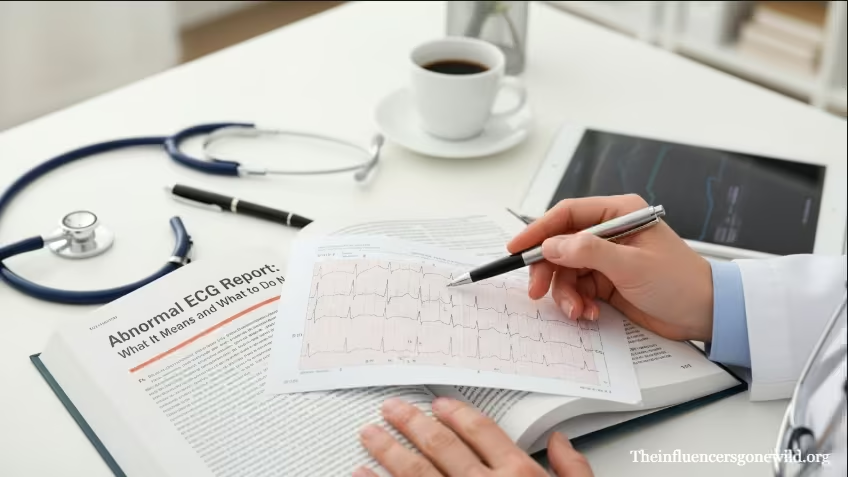
Before learning about an abnormal ECG report, it is important to understand what an ECG (Electrocardiogram) is.
An ECG is a simple test that records the electrical activity of the heart. It shows how fast or slow your heart is beating and whether the heart rhythm is normal.
Doctors use ECGs because they are quick, painless, and provide valuable information about heart health.
What Does an Abnormal ECG Report Mean?
An abnormal ECG report means that the electrical signals of your heart are not following a normal pattern. This can be caused by several factors, ranging from minor issues to serious heart conditions.
An abnormal report does not always mean something dangerous. Sometimes, the abnormal result may occur because of stress, incorrect electrode placement, or temporary changes in the body. However, it is still important to understand what the report shows.
Common Reasons for an Abnormal ECG Report
1. Irregular Heartbeat (Arrhythmia)
One of the most common reasons for an abnormal ECG report is arrhythmia. This happens when your heart beats too fast, too slow, or in an uneven pattern.
2. Heart Attack (Current or Past)
An ECG can show signs of a heart attack. If the report is abnormal, it may indicate a current or previous heart attack.
3. Poor Blood Flow to the Heart
Reduced blood supply, often caused by blocked arteries, can cause abnormal ECG readings.
4. Heart Muscle Thickening
If the heart muscle becomes thick due to high blood pressure or other conditions, it may appear as an abnormal ECG report.
5. Electrolyte Imbalance
Low or high levels of potassium, calcium, or magnesium can change heart activity and lead to abnormal readings.
6. Medication Effects
Some medicines can affect how the heart works. This may lead to an abnormal ECG report even if the heart is structurally normal.
7. Stress or Anxiety
Emotional stress can temporarily change heart rhythms, sometimes creating abnormal ECG patterns.
Symptoms That May Lead to an Abnormal ECG Report
You may receive an ECG if you experience symptoms such as:
- Chest pain
- Shortness of breath
- Dizziness
- Palpitations (fast or irregular heartbeat)
- Fatigue
- Fainting spells
These symptoms do not always mean a heart condition, but they often lead doctors to perform an ECG to rule out possible problems.
Is an Abnormal ECG Report Dangerous?
Not always. Some people with an abnormal ECG report have no serious health issue. Others may need further tests like:
- Echocardiogram
- Stress test
- Blood tests
- Holter monitoring
The level of danger depends on the cause. Only a healthcare professional can interpret the results accurately.
How Doctors Diagnose the Cause of an Abnormal ECG Report
Once an abnormal result is detected, doctors usually:
1. Review Your Symptoms
They check whether signs like chest pain or breathlessness match the ECG findings.
2. Study Your Medical History
Previous conditions, surgeries, and medications help identify the cause.
3. Perform More Tests
Additional tests help confirm whether the abnormal ECG report is serious or not.
What to Do After Receiving an Abnormal ECG Report
1. Stay Calm
Many factors can affect ECG results. Do not panic.
2. Discuss With Your Doctor
Ask your doctor to explain what part of the ECG is abnormal and what it means.
3. Follow Recommended Tests
Additional tests help confirm the exact issue.
4. Adopt a Heart-Healthy Lifestyle
Even if your abnormal ECG report is mild, improving your lifestyle can help maintain heart health.
Some helpful habits include:
- Eating a balanced diet
- Exercising regularly
- Reducing salt intake
- Lowering stress
- Avoiding smoking
- Monitoring blood pressure
Risk Factors Linked to an Abnormal ECG Report
You may be more likely to receive an abnormal ECG if you have:
- High blood pressure
- Diabetes
- Obesity
- High cholesterol
- Smoking habits
- A family history of heart disease
- Stressful lifestyle
Knowing your risk factors helps in preventing future complications.
Can a Normal Person Have an Abnormal ECG Report?
Yes. Sometimes healthy individuals receive an abnormal report due to:
- Incorrect electrode placement
- Rapid breathing
- Anxiety
- Temporary electrolyte imbalance
- Muscle movement during the test
This is why a single abnormal ECG is not enough to diagnose a serious problem.
How to Read an Abnormal ECG Report
An ECG has several parts:
- P wave – shows the atria’s activity
- QRS complex – shows the ventricles’ activity
- T wave – shows recovery of the heart after each beat
- ST segment – shows blood flow and heart muscle condition
If any part looks unusual, it appears as an abnormal ECG report. Only trained medical professionals should interpret the findings.
Treatment Options for an Abnormal ECG Report
Treatment depends on the cause. Common options include:
1. Medication
For arrhythmias, blood pressure, cholesterol, or heart failure.
2. Lifestyle Changes
Diet, exercise, weight control, and stress reduction.
3. Medical Procedures
Some serious conditions may require pacemakers, stents, or surgery.
4. Regular Follow-Ups
People with repeat abnormal ECGs need routine monitoring.
How to Prevent an Abnormal ECG Report
Though not all heart issues can be prevented, following these steps can reduce the chance of an abnormal report:
- Maintain healthy weight
- Keep cholesterol and sugar levels normal
- Exercise at least 30 minutes a day
- Reduce stress through yoga or meditation
- Sleep 7–8 hours daily
- Drink enough water
- Limit processed foods
These habits promote a strong and healthy heart.
When to See a Doctor Immediately
Seek urgent medical help if you experience:
- Severe chest pain
- Sudden shortness of breath
- Fainting
- Rapid heartbeat that does not stop
- Swelling in legs or feet
An abnormal ECG report combined with these symptoms may indicate a serious condition.
Conclusion:
An abnormal ECG report can be confusing, but understanding its meaning helps reduce fear and uncertainty. Not all abnormalities are dangerous, and many require only simple follow-up tests or lifestyle changes.
Always discuss your ECG report with a professional to get the correct interpretation and guidance.
With proper care, awareness, and healthy daily habits, you can support your heart health and reduce the chances of receiving n abnormal ECG report in the future.