Introduction
Missing teeth can impact more than just your smile—they can affect your speech, your self-esteem, and even the health of your jawbone.
While dental implants and bridges are common solutions, many are turning to dental veneers for missing teeth as a cosmetic alternative. But are veneers really a viable option for replacing missing teeth?
In this comprehensive guide, we’ll explore everything you need to know about dental veneers in the context of tooth loss—what they are, how they work, who they’re for, and what alternatives may be better suited depending on your dental needs.
Let’s get started by understanding the basics.
What Are Dental Veneers?
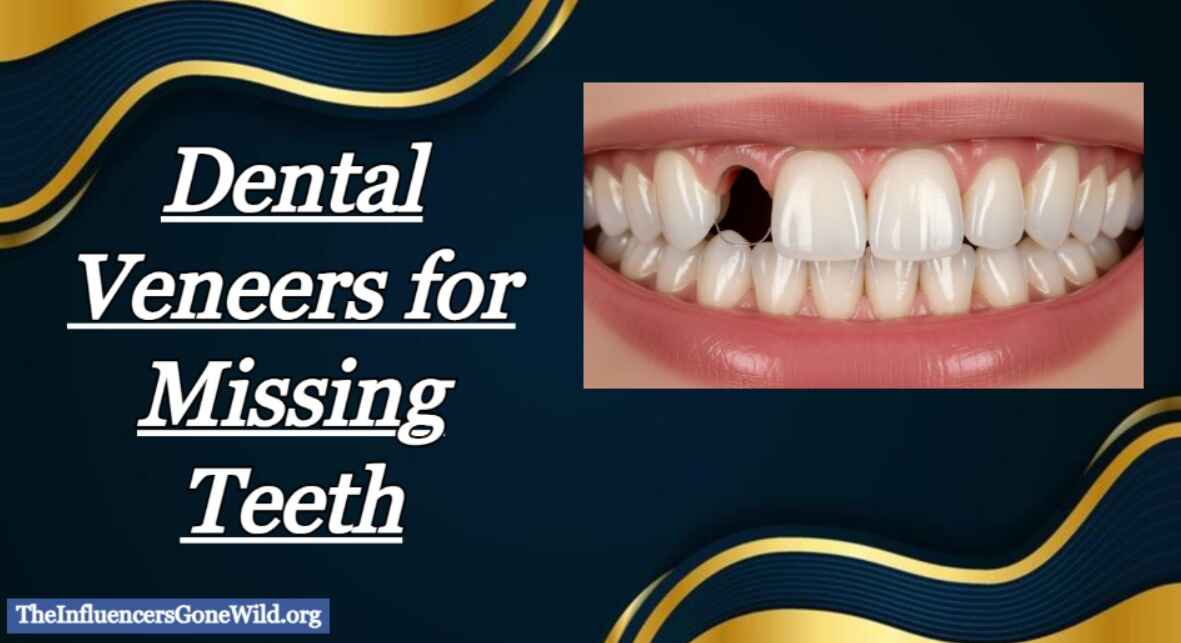
Dental veneers are thin, custom-made shells typically made of porcelain or composite resin. They are bonded to the front surface of existing teeth to improve their appearance.
Common Uses of Veneers Include:
- Covering chipped or broken teeth
- Whitening stained or discolored enamel
- Correcting minor alignment issues
- Reshaping teeth for a uniform appearance
- Closing small gaps between teeth
However, when it comes to missing teeth, the application becomes more complex.
Can You Use Dental Veneers for Missing Teeth?
The Short Answer: No, Not Directly
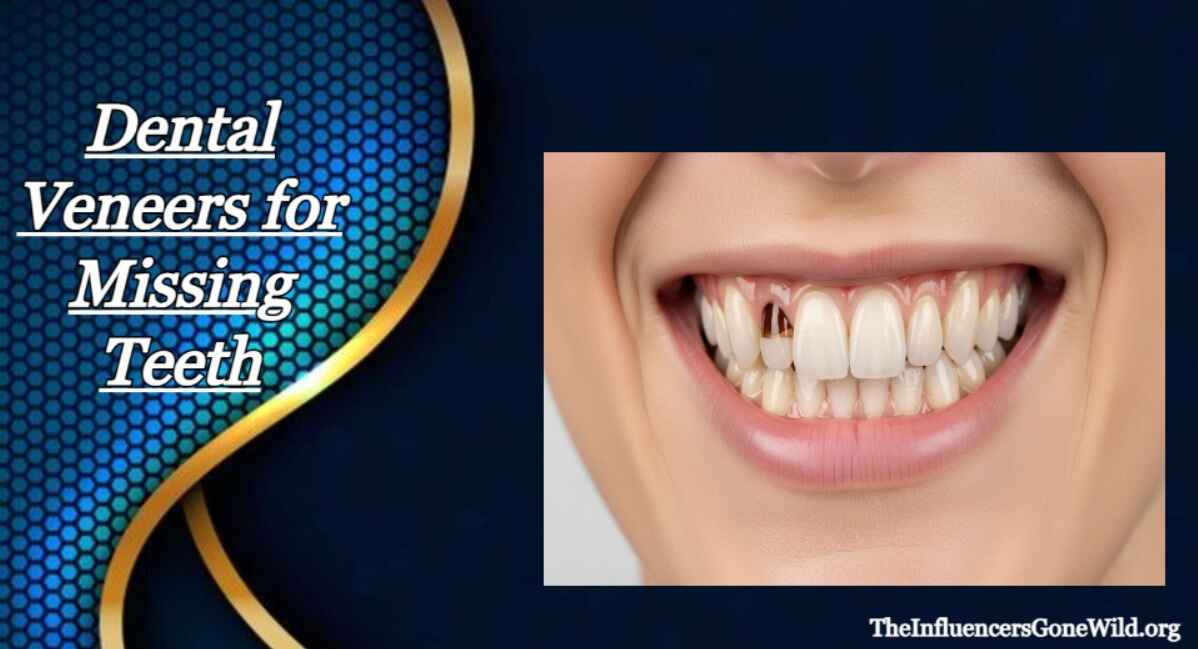
Dental veneers require a natural tooth structure to bond to. If a tooth is completely missing, there’s no surface to apply a veneer. However, veneers can play a role in aesthetic restoration when combined with other treatments.
When Veneers Are Part of the Solution
- In conjunction with dental implants: Once an implant is placed, a crown or veneer-like restoration can be attached for a natural look.
- To enhance adjacent teeth: If you’re replacing one tooth with an implant or bridge, veneers can be placed on neighboring teeth to create a seamless smile.
- To reshape or close gaps after a partial extraction or in cases where a tooth is only partially missing.
Veneers vs. Other Solutions for Missing Teeth
| Treatment Option | Best For | Requires Natural Tooth? | Longevity | Cost |
| Veneers | Cosmetic enhancement | Yes | 10–15 years | Moderate |
| Dental Implants | Single/multiple missing teeth | No | 20+ years | High |
| Dental Bridges | Adjacent missing teeth | No (requires neighboring teeth) | 10–15 years | Moderate–High |
| Dentures | Multiple or full arch tooth loss | No | 5–10 years | Low–Moderate |
When Veneers Make Sense in Tooth Replacement Plans
While dental veneers alone can’t replace a missing tooth, they are often part of a holistic smile makeover. Here are scenarios where they may be recommended:
1. After Implant Placement
A dental implant can restore the root of a missing tooth. Once the implant integrates with the bone, a crown that mimics a veneer can be placed for a seamless finish.
2. Supporting Adjacent Teeth
If a tooth is missing, the adjacent teeth may shift or become cosmetically unappealing. Veneers can help maintain symmetry and restore harmony in the smile line.
3. Aesthetic Uniformity
For patients getting one or two teeth replaced with crowns or bridges, veneers on surrounding teeth can ensure the smile looks cohesive in color, shape, and alignment.
Benefits of Combining Dental Veneers with Other Restorative Options
- Improved Smile Aesthetics
- Natural-looking finish
- Color and shape matching across the full smile
- Minimally invasive to the surrounding teeth
- Customizable to patient needs
Risks and Considerations of Using Dental Veneers for Missing Teeth
While veneers can enhance aesthetics, using them improperly or as a standalone for missing teeth can lead to complications.
Key Concerns Include:
- Inadequate support, if applied over compromised teeth
- Risk of failure if used over unstable structures
- Not suitable for patients with gum disease or jawbone loss
- High cost if used inappropriately
Expert Tip: Always consult with a prosthodontist or cosmetic dentist to determine if veneers fit into your treatment plan.
Real-World Case Example
Patient Profile: Female, age 38, missing one lateral incisor
Treatment Plan:
- Dental implant for the missing tooth
- Porcelain veneers on adjacent central and canine teeth for color match
- Final result: natural, uniform smile with no visible signs of dental work
Outcome: Increased self-confidence, no visible distinction between natural and restored teeth.
How to Know If Veneers Are Right for Your Case
Here are some signs veneers may be beneficial in a missing-tooth scenario:
- You are missing 1–2 teeth and have neighboring healthy teeth
- You’re planning on a dental implant but want to enhance adjacent teeth
- You’re seeking a cosmetic upgrade as part of a broader smile makeover
- You have no significant gum or jawbone deterioration
Steps Involved in a Veneer + Implant Combo Plan
- Initial Consultation
- Diagnostic Imaging (X-rays, scans)
- Implant placement (if needed)
- Healing period (3–6 months)
- Veneer and crown preparation
- Final bonding and polishing
- Aftercare and follow-up
How to Care for Veneers Around Missing Teeth
To extend the life of veneers and surrounding restorations:
- Brush twice daily with a non-abrasive toothpaste
- Use floss or interdental brushes
- Avoid biting hard objects (ice, pens)
- Schedule regular dental checkups
- Use a night guard if you grind your teeth
Conclusion
Dental veneers are not a direct replacement for missing teeth, but they can play a valuable role in enhancing your smile when used in conjunction with implants, bridges, or other restorative solutions. Their strength lies in aesthetic transformation, making them ideal for completing a smile makeover.
If you’re missing a tooth or planning a cosmetic makeover, discuss integrating veneers into a customized treatment plan with your dentist. The result? A balanced, radiant smile that’s built to last.
FAQs
Can dental veneers replace missing teeth?
No, veneers require an existing tooth structure to bond to. They cannot replace a tooth that is completely missing.
What’s better for missing teeth—veneers or implants?
Implants are the gold standard for replacing missing teeth. Veneers can be used alongside implants for cosmetic enhancement.
Can I get veneers if I have a gap from a missing tooth?
Veneers may help close small gaps, but a significant gap from a missing tooth typically requires an implant or bridge.
Are veneers painful to get?
Most patients report little to no discomfort. Local anesthesia is typically used during preparation.
How long do veneers last?
Porcelain veneers can last 10–15 years or more with proper care.