Introduction
An abnormal ECG can sound worrying, but it is actually a very common result that doctors see every day. An ECG, also known as an electrocardiogram, records the electrical activity of your heart.
When the pattern is different from what is expected, it may be labeled as abnormal. In this guide, we break down everything you need to know about an abnormal ECG in a simple and easy-to-understand way.
What Is an Abnormal ECG?

An abnormal ECG means that the electrical pattern of your heart is not following the normal rhythm or shape. This does not always mean something serious.
Sometimes, it can happen due to stress, improper electrode placement, or even natural body variations.
The ECG machine draws waves and lines that show how the heart beats. Doctors analyze these lines to check if the heart is beating too fast, too slow, or irregularly.
Why an Abnormal ECG Matters
The abnormal ECG reading helps doctors detect possible heart-related problems early. It can show signs of:
- Irregular heartbeat
- Heart block
- Previous heart attack
- Heart muscle enlargement
- Poor blood flow
- Electrolyte imbalance
- Effects of medications
Understanding these signs helps in early treatment and better heart health.
Common Reasons for an Abnormal ECG
Many factors can lead to an abnormal ECG, and not all of them are dangerous. Below are some of the most common causes:
1. Irregular Heart Rhythm (Arrhythmia)
Arrhythmias occur when the heart beats unevenly. Some are harmless, while others require medical care.
2. Fast or Slow Heartbeat
A heart rate that is too fast (tachycardia) or too slow (bradycardia) can result in an abnormal ECG.
3. Heart Attack (Past or Current)
An ECG can show if a person has had a heart attack in the past or is currently experiencing one.
4. Thickened Heart Muscle
High blood pressure or heart valve problems can cause the heart muscle to thicken, leading to an abnormal ECG.
5. Electrolyte Imbalance
Low or high levels of potassium, calcium, or magnesium can disturb the heart’s electrical signals.
6. Medication Effects
Some medicines used for blood pressure, thyroid, or mental health can cause ECG changes.
7. Stress and Anxiety
Emotional stress can temporarily cause an abnormal ECG, especially during episodes of anxiety.
Types of Abnormal ECG Patterns
There are different types of abnormal ECG patterns, each showing a different issue. Doctors look at each part of the ECG wave, including the P wave, QRS complex, and T wave.
1. Abnormal P Waves
This may show issues with the upper chambers of the heart.
2. Wide or Narrow QRS Complex
It can point to a heart block or problems in the ventricles.
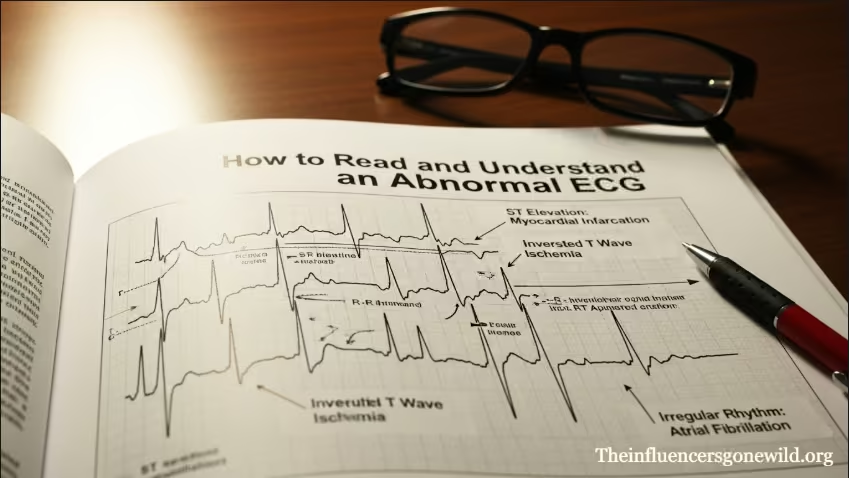
3. ST Segment Changes
ST elevation or depression may indicate heart attack or poor blood flow.
4. T Wave Abnormalities
T wave changes often reflect electrolyte imbalance or heart muscle strain.
Symptoms That May Come With an Abnormal ECG
An abnormal ECG may appear with or without symptoms. Some people feel normal while others may experience:
- Chest pain or pressure
- Shortness of breath
- Dizziness
- Tiredness
- Irregular heartbeat
- Fainting spells
- Swelling in legs
If you have any of these symptoms along with an abnormal ECG, a doctor may ask for more tests.
How Doctors Diagnose an Abnormal ECG
An ECG alone is not enough to confirm a condition. Doctors usually recommend additional tests based on the type of abnormal ECG result.
1. Echocardiogram
An ultrasound of the heart to examine its structure.
2. Stress Test
A test that checks heart function during exercise.
3. Holter Monitor
A portable ECG that records heart activity for 24–48 hours.
4. Blood Tests
To check electrolyte levels or detect inflammation.
5. Cardiac CT or MRI
Used when a detailed picture of the heart is needed.
These extra tests help doctors understand the cause of the abnormal ECG more clearly.
Who Is More Likely to Have an Abnormal ECG?
Certain risk factors make an abnormal ECG more likely:
- High blood pressure
- High cholesterol
- Diabetes
- Smoking
- Obesity
- Family history of heart disease
- Older age
- Sedentary lifestyle
- High stress levels
If you fall into any of these categories, regular heart checkups may help detect issues early.
Is an Abnormal ECG Always Serious?
Not at all. An abnormal ECG can be caused by harmless issues such as:
- Too much caffeine
- Dehydration
- Poor sleep
- Anxiety
- Wrong electrode placement
However, it can also indicate serious heart problems. That is why proper medical evaluation is important.
Treatments for Abnormal ECG Findings
Treatment depends entirely on the cause behind the abnormal ECG. Here are some common treatment approaches:
1. Lifestyle Changes
- Balanced diet
- Regular exercise
- Reducing salt intake
- Quitting smoking
- Managing stress
These steps can improve heart function naturally.
2. Medications
Doctors may prescribe medicines for:
- High blood pressure
- Arrhythmias
- Blood thinning
- Cholesterol control
- Heart failure
3. Medical Procedures
In more serious cases, treatments may include:
- Pacemaker insertion
- Angioplasty
- Bypass surgery
- Heart catheterization
4. Monitoring Only
Sometimes, doctors may simply monitor the patient if the abnormal ECG is mild and no symptoms are present.
How to Prevent an Abnormal ECG
Prevention is better than treatment. The best ways to avoid having an abnormal ECG include:
1. Stay Active
Regular exercise keeps your heart functioning well.
2. Eat Heart-Friendly Foods
Focus on fruits, vegetables, whole grains, and lean proteins.
3. Avoid Smoking and Excess Alcohol
These habits significantly affect heart rhythm.
4. Manage Stress
Activities like yoga, meditation, and proper sleep help regulate heart health.
5. Regular Health Checkups
Routine checkups help detect issues before they become serious.
When to See a Doctor After an Abnormal ECG
You should contact a doctor immediately if an abnormal ECG comes with:
- Sudden chest pain
- Difficulty breathing
- Severe dizziness
- Pain spreading to the arm or jaw
- Sudden weakness
These may be signs of serious heart issues that need urgent care.
Conclusion:
An abnormal ECG is not something to panic about. It is simply a sign that your heart’s electrical activity needs closer attention.
Sometimes, it may point to a heart condition, while other times, it can be due to simple lifestyle factors. With the right diagnosis and treatment, most people continue to live normal and healthy lives.
If you ever receive an abnormal ECG report, the best step is to talk to your doctor, understand the reason behind it, and follow the recommended care plan.


