Introduction
Sewing is both an art and a science. At the core of every garment, accessory, or textile product lies a crucial element: the seam.
In German, the word “Nahttypen” translates to “types of seams.” Understanding different seam types is not only essential for professional tailors and fashion designers but also for hobby sewers, textile engineers, and anyone interested in clothing construction.
Seams are more than just stitches holding fabrics together. They determine durability, flexibility, comfort, and design appeal.
Choosing the right seam type can prevent fabric from fraying, ensure garments withstand wear and tear, and even enhance the overall aesthetic.
In this article, we’ll dive deep into Nahttypen, exploring their variations, functions, advantages, and best practices. Whether you’re a beginner or an expert in sewing, this guide will help you master seam selection and application.
What Are Nahttypen?
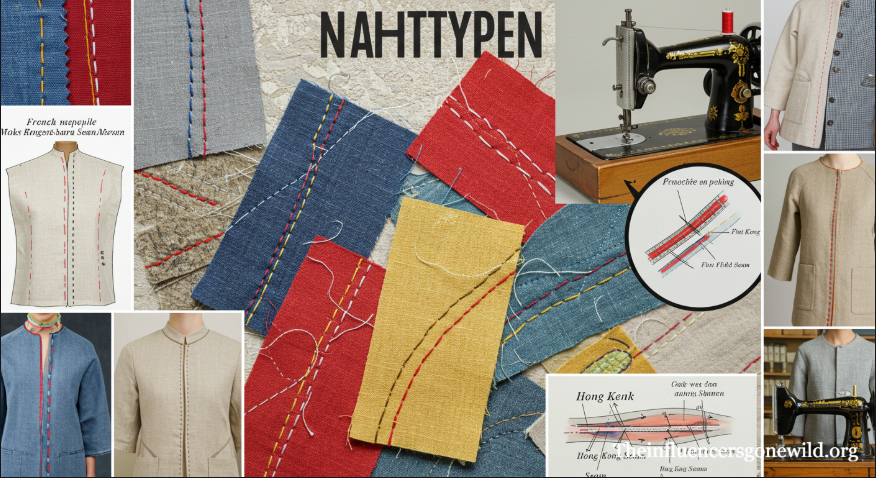
Nahttypen, or seam types, are the various ways two or more fabric pieces can be joined. They differ based on functionality, strength, fabric type, and intended use.
At their core, seams serve two purposes:
- Structural – Holding fabric pieces together securely.
- Aesthetic – Providing a neat, professional, or decorative finish.
Textile experts categorize seam types into several groups, including plain seams, flat seams, lapped seams, and decorative seams. Each has its own purpose, advantages, and limitations.
Classification of Nahttypen
Seams can be categorized in different ways. Below is an overview of the most common classifications:
1. Based on Construction
- Plain seams – Basic joining method for everyday use.
- French seams – Enclose raw edges for a clean finish.
- Flat-felled seams – Strong, flat seams often used in denim.
- Lapped seams – Overlapping fabrics for durability.
2. Based on Function
- Functional seams – Built for strength and wear resistance.
- Decorative seams – Enhance style and appearance.
- Stretch seams – Allow flexibility for knit fabrics and activewear.
3. Based on Application
- Tailoring seams – Formal wear and structured garments.
- Sportswear seams – High flexibility and comfort.
- Industrial seams – Heavy-duty applications like upholstery.
Common Nahttypen Explained in Detail
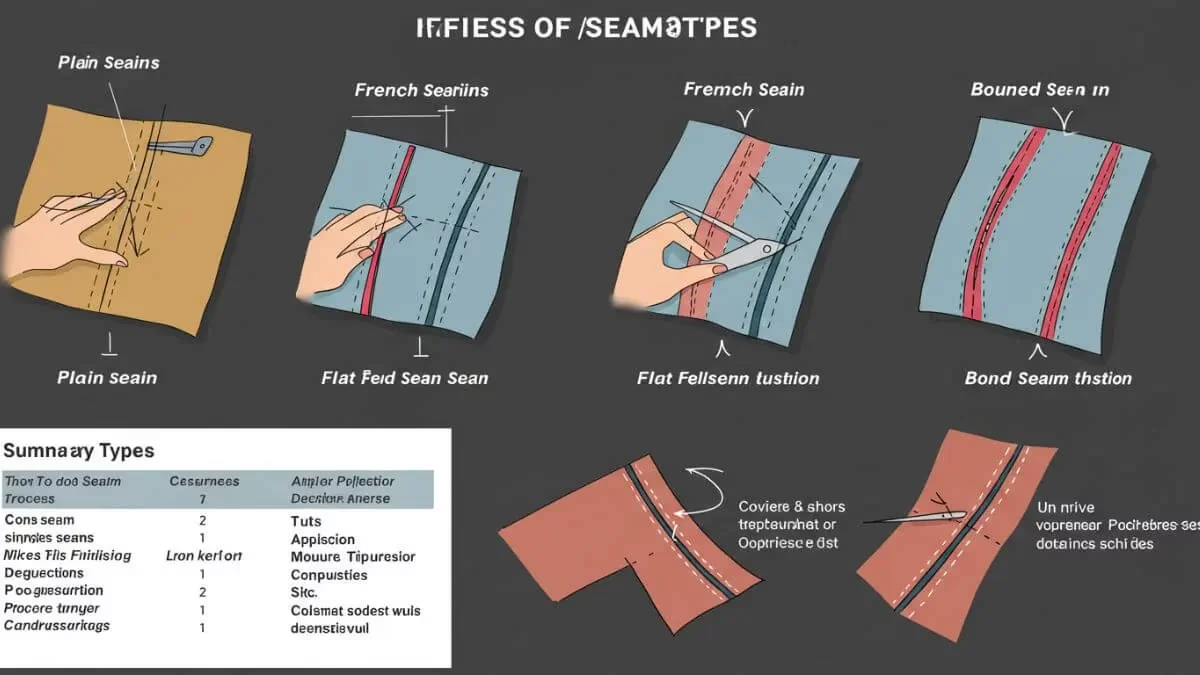
Plain Seam (Steppnaht)
- Description: The most basic seam where two fabric pieces are joined right sides together and stitched.
- Best For: Everyday clothing, lightweight fabrics.
- Advantages: Simple, versatile, widely used.
- Disadvantages: May fray unless finished with overlock or zigzag.
French Seam (Französische Naht)
- Description: Encloses raw fabric edges inside two rows of stitching.
- Best For: Sheer fabrics like chiffon, silk, or organza.
- Advantages: Neat, professional, prevents fraying.
- Disadvantages: Slightly bulky, not suitable for thick fabrics.
Flat-Felled Seam (Kappnaht)
- Description: Fabric edges are folded and stitched flat for durability. Common in jeans.
- Best For: Denim, workwear, and outdoor clothing.
- Advantages: Strong, durable, withstands heavy washing.
- Disadvantages: Requires precise sewing, less flexible.
Lapped Seam (Überlappte Naht)
- Description: One fabric edge overlaps the other and is stitched down.
- Best For: Leather, upholstery, and technical textiles.
- Advantages: Strong, ideal for non-fraying fabrics.
- Disadvantages: Can look bulky, limited in fashion use.
Overlock Seam (Overlocknaht)
- Description: Edges are sewn and trimmed simultaneously with an overlock machine.
- Best For: Stretch fabrics, knitwear, and casual clothing.
- Advantages: Fast, prevents fraying, and flexible.
- Disadvantages: Requires a special machine.
Blind Stitch (Blindstichnaht)
- Description: Stitching is almost invisible on the garment’s right side.
- Best For: Hems in formal wear and suits.
- Advantages: Professional finish, clean look.
- Disadvantages: Not very strong, used mainly decoratively.
Decorative Seams (Ziernähte)
- Description: Visible stitching that adds visual appeal.
- Best For: Fashion detailing, embroidery, decorative effects.
- Advantages: Enhances design, endless variations.
- Disadvantages: Requires skill, mainly aesthetic.
Choosing the Right Nahttypen
Selecting the appropriate seam depends on several factors:
- Fabric Type: Lightweight fabrics benefit from French seams, while heavy fabrics require flat-felled or lapped seams.
- Garment Purpose: Sportswear needs stretch seams, while formalwear requires blind stitching.
- Durability Needs: Denim and outdoor gear require flat-felled seams.
- Aesthetic Preference: Decorative seams enhance design.
Pro Tip: Always test seam strength and appearance on fabric scraps before final application.
Professional Insights on Nahttypen
Experts in textile engineering emphasize that seam performance depends not only on the seam type but also on:
- Thread choice (cotton, polyester, nylon)
- Stitch density (stitches per inch/cm)
- Machine settings (tension, needle size)
- Finishing methods (overlocking, topstitching, binding)
According to garment industry research, seam failure is one of the most common reasons for product returns. Therefore, seam selection and construction play a vital role in both quality assurance and customer satisfaction.
Table: Comparison of Common Nahttypen
| Nahttypen | Best Used For | Strength | Appearance | Flexibility | Skill Level |
| Plain Seam | Everyday clothing | Medium | Basic | Medium | Beginner |
| French Seam | Sheer fabrics | High | Neat | Low | Intermediate |
| Flat-Felled Seam | Denim, workwear | Very High | Structured | Low | Advanced |
| Lapped Seam | Leather, upholstery | High | Bulky | Low | Advanced |
| Overlock Seam | Knits, stretch fabrics | High | Clean | High | Intermediate |
| Blind Stitch | Hems, formal wear | Low | Invisible | Medium | Advanced |
| Decorative Seams | Fashion, embroidery | Varies | Stylish | Varies | Advanced |
Practical Applications of Nahttypen
- Fashion Design: Seam choice defines garment quality and style.
- Home Sewing: Helps hobbyists create long-lasting, neat projects.
- Industrial Use: Upholstery, automotive textiles, and protective gear depend on strong seams.
- Sportswear: Specialized seams ensure flexibility and comfort.
Conclusion
Seams may appear simple, but they are the backbone of textile construction. Mastering Nahttypen helps ensure that garments and textile products are not only durable but also visually appealing. From plain seams for everyday wear to flat-felled seams for rugged durability and decorative seams for fashion detailing, each seam type serves a unique purpose.
For sewing enthusiasts, designers, and industry professionals, understanding Nahttypen means creating garments that blend function, durability, and style. By choosing the right seam, you elevate your craft and ensure quality that lasts.
FAQs
- What are the strongest Nahttypen?
Flat-felled seams and lapped seams are among the strongest, ideal for denim and upholstery. - Which Nahttypen are best for beginners?
Plain seams and overlock seams are the easiest to start with. - How do I prevent fabric from fraying with plain seams?
Use zigzag stitching, pinking shears, or an overlock finish. - Can decorative seams also be functional?
Yes, many decorative stitches add strength while enhancing design. - Do all fabrics require the same seam type?
No, fabric weight, stretch, and purpose all influence seam selection.