
Introduction
In an era driven by efficiency, cost-effectiveness, and safety, PLG supplies have emerged as a cornerstone across various industries—from healthcare to construction, and from education to public services.
Whether you are managing a large facility, running a small business, or overseeing procurement for an organization, sourcing the right supplies is vital for operational excellence.
But what exactly are PLG supplies? Why are they so crucial? And how do businesses choose the best sources and products?
This article unpacks the essentials of PLG supplies, offering in-depth insights, practical advice, and industry-based knowledge that will help you navigate the world of procurement with confidence.
What Are PLG Supplies?

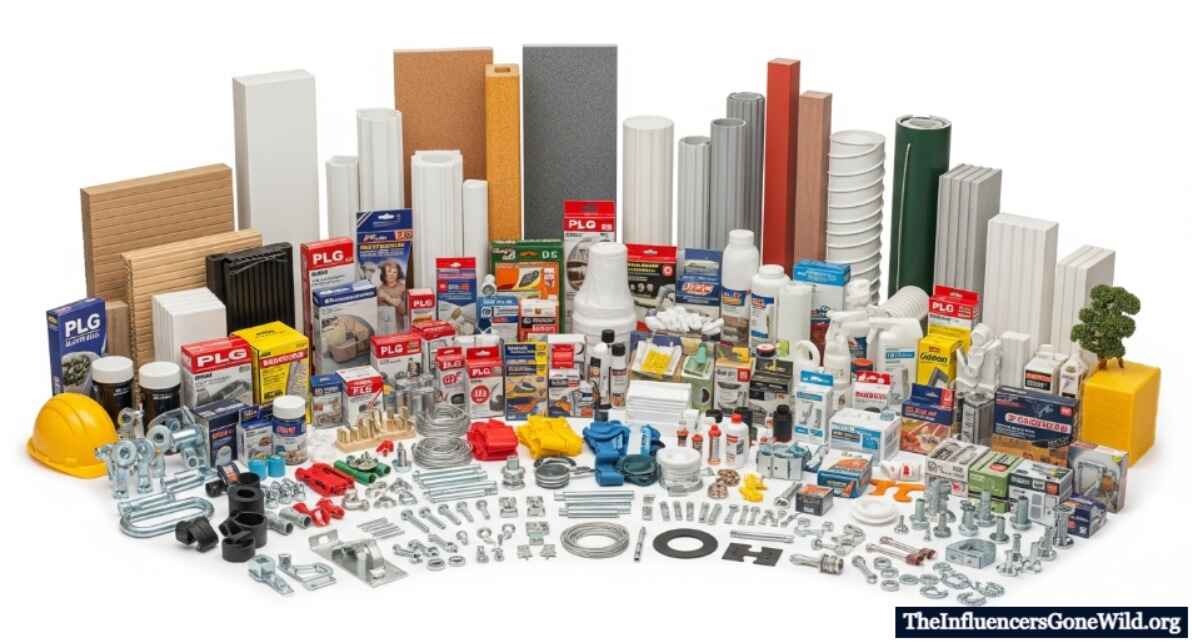
PLG typically refers to Professional Logistics and General supplies—a broad term that encompasses a range of products and materials needed to keep organizations running smoothly. These include:
- Office supplies: stationery, furniture, printers
- Safety and PPE gear: gloves, masks, helmets, protective clothing
- Facility maintenance products: cleaners, mops, sanitizers
- Medical and healthcare tools: surgical instruments, disposable items
- Construction equipment: power tools, scaffolding materials
PLG supplies aim to streamline supply chains by offering a one-stop solution for operational needs.
The Importance of PLG Supplies Across Key Industries
1. Healthcare Sector
- Efficiency & Hygiene: Hospitals depend on timely and quality supplies for patient care.
- Examples: Disposable gloves, surgical kits, diagnostic tools
2. Construction & Engineering
- Safety & Performance: Equipment durability and safety gear quality directly impact project success.
- Examples: Steel-toe boots, reinforced helmets, laser measurement tools
3. Education and Government
- Standardization & Cost-Effectiveness: Schools and government facilities require bulk, standardized items at budget-friendly rates.
- Examples: Office chairs, whiteboards, filing systems
4. Retail & Warehousing
- Operational Flow: From inventory tagging to customer service, supplies impact every layer of service delivery.
- Examples: Barcode scanners, shelving units, packaging materials
Key Features of Quality PLG Supplies
To ensure quality and performance, always assess supplies on the basis of:
| Feature | Why It Matters |
| Durability | Long-lasting products reduce replacements |
| Compliance | Regulatory-approved supplies ensure safety |
| Customization | Tailored solutions boost productivity |
| Pricing Flexibility | Supports budget constraints |
| Sustainability | Eco-conscious sourcing improves image |
What to Look for in a PLG Supplies Provider
Choosing the right supplier can save time, reduce costs, and eliminate logistical errors. Here are the main criteria to evaluate:
1. Product Range
A good supplier should offer a diverse catalog spanning multiple categories—PPE, cleaning tools, electronics, etc.
2. Reliability & Delivery
Prompt delivery and real-time tracking are signs of an efficient logistics system.
3. Certifications & Standards
ISO certification or industry-specific compliance (e.g., OSHA) reflects reliability and trustworthiness.
4. Customer Service
Dedicated support teams help with inquiries, replacements, and customization.
5. Tech Integration
Modern suppliers offer online portals, procurement software, or API integrations to simplify large-scale ordering.
How PLG Supplies Supports Supply Chain Resilience
In today’s volatile economic climate, the strength of your supply chain can make or break your business. PLG supplies contribute to:
- Inventory management through consistent restocking
- Risk reduction by ensuring safety and regulatory compliance
- Operational continuity during pandemics or disruptions
Case studies have shown that companies with streamlined PLG sourcing experienced 30–40% fewer operational halts during crises compared to those with fragmented supply chains.
Emerging Trends in PLG Supplies
1. Sustainable & Eco-Friendly Supplies
Organizations are shifting to biodegradable packaging, non-toxic cleaners, and reusable PPE to reduce carbon footprints.
2. Smart Supply Monitoring
IoT-based devices track usage in real-time, reducing waste and stock-outs.
3. AI-Powered Procurement
AI-driven analytics help companies predict usage, suggest bulk buying periods, and minimize dead stock.
Cost-Saving Strategies for Procuring PLG Supplies
To make the most of your investment:
- Buy in bulk – Reduces per-unit cost
- Set up subscription orders – Automates regular restocking
- Use supplier rating systems – Filter reliable vendors
- Leverage procurement software – Centralizes all orders and reduces human error
How to Optimize Your PLG Supplies Workflow
Here is a sample step-by-step process to streamline PLG supply management:
Assess Needs
- Conduct usage audits
- Forecast based on department-wise requirements
Vendor Comparison
- Evaluate based on price, quality, and delivery timelines
Pilot Order
- Test reliability before committing to long-term contracts
Automate & Review
- Use software tools to automate reordering and set monthly performance reviews
PLG Supplies and Digital Transformation
Modern procurement is increasingly digital. Here’s how companies are integrating digital strategies:
- Cloud-based catalogs
- Real-time inventory dashboards
- Mobile app ordering
- Electronic invoicing and billing
This results in:
- Faster decision-making
- Reduced administrative workload
- Enhanced cost visibility
Common Mistakes to Avoid When Sourcing PLG Supplies
- Overlooking compliance requirements
- Not vetting suppliers thoroughly
- Failing to forecast demand accurately
- Ignoring customer service quality
- Opting for lowest price over long-term value
Conclusion
PLG supplies are far more than everyday operational tools. They are strategic assets that enable productivity, safety, and sustainability across every industry.
By understanding the nuances of sourcing, evaluating vendors, and leveraging technology, organizations can transform procurement into a competitive advantage.
Investing in the right PLG supplies provider not only boosts performance but also ensures your operations stay resilient and forward-thinking.
FAQs
1. What does PLG stand for in PLG supplies?
PLG stands for Professional Logistics and General Supplies, covering a wide range of operational tools and resources for various sectors.
2. What industries use PLG supplies the most?
Common users include healthcare, construction, education, government, and retail sectors.
3. How can I ensure the quality of PLG supplies?
Look for compliance certifications, test samples, and read verified supplier reviews before purchasing.
4. Are eco-friendly PLG supplies available?
Yes. Many suppliers now offer biodegradable, recyclable, and low-impact alternatives for environmental sustainability.
5. Can small businesses benefit from PLG supplies?
Absolutely. Bulk pricing, efficiency, and centralized sourcing make PLG supplies a valuable asset for small enterprises as well.


